In the Oil and Gas world, keeping costs in check is super important if you wanna stay competitive. Companies like Halliburton and Schlumberger are always on the lookout for ways to boost efficiency—it's kind of their bread and butter. One area that often trips people up isPerforating Equipment Charges. These fees can really add up and end up hurting your project budgets and overall profits.
Picking the right perforating equipment isn't just about going for the latest tech; you’ve gotta think carefully about the cost versus what you're getting. It’s a tricky balance—sometimes, the fancy tools promise better results, but their higher charges can put a strain on your bottom line. Getting a good grasp of how these charges work is so important for decision-makers trying to make smart choices.
A lot of operators tend to overlook some of the sneaky hidden costs involved—things like maintenance, logistics, or downtimes. These little expenses can pile up faster than you'd think and make budgeting a real headache. As companies work to refine their perforating strategies, having a clear understanding of these charges can really help to boost the financial outcome overall.
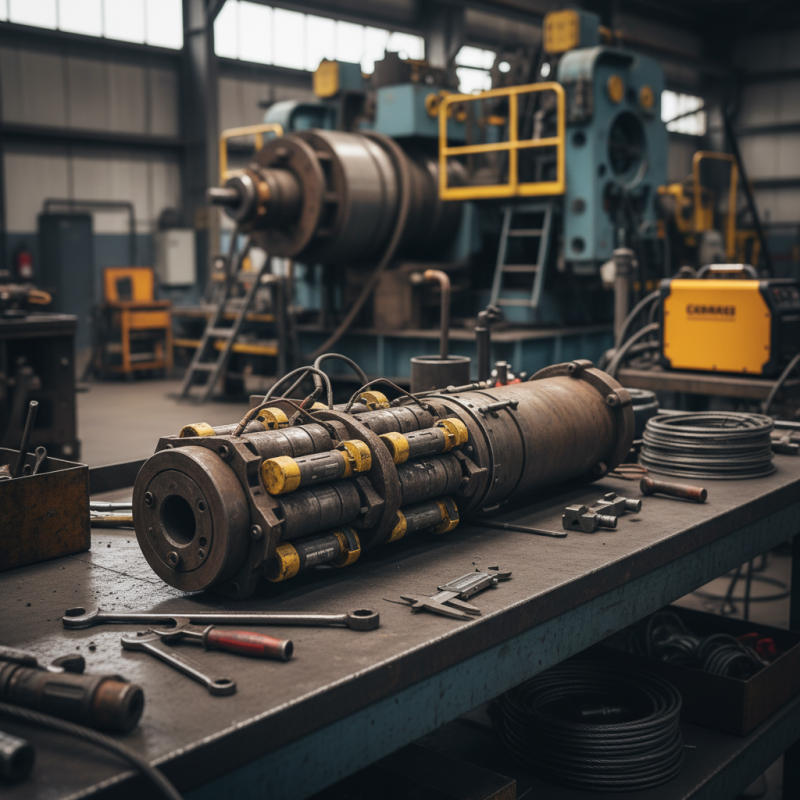
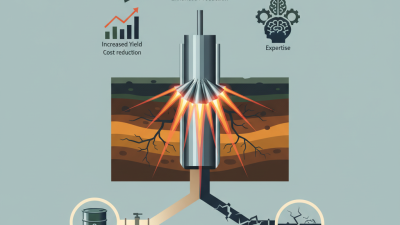
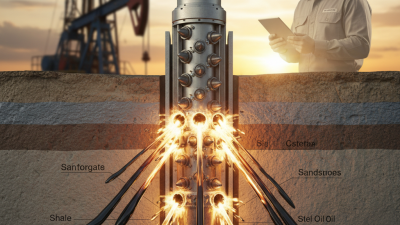
Perforating equipment plays a vital role in the oil and gas industry. It helps improve well production by creating holes in the casing to facilitate fluid flow. The choice of perforating systems directly affects operational costs and efficiency. According to a recent market analysis, the global perforating equipment market is projected to grow at a CAGR of about 8% from 2021 to 2026. This trend signals a rising need for innovative solutions in well completions.
Optimizing costs involves not only selecting the right equipment but also the correct technique. Hydraulic perforating and Shaped Charge methods are the most common. The industry increasingly relies on data metrics to evaluate their performance. Reports indicate that using advanced perforating techniques can reduce operational downtime by 15%.
Tips: Assess your equipment regularly. Minor adjustments can lead to significant improvements. Consider utilizing software solutions to analyze performance data. They can provide insights into potential enhancements. Keep an eye on market trends, as technology continues to evolve. This will help in adapting strategies effectively. Investing in the right equipment is a critical, yet sometimes overlooked aspect of managing expenses.
When exploring the cost factors of perforating equipment, various elements come into play. Labor costs are significant, typically constituting around 30-40% of total expenses. Skilled operators demand competitive wages. Additionally, equipment maintenance can lead to unexpected expenses. Regular wear and tear add up over time, sometimes surpassing initial purchase prices.
Technology plays a crucial role in optimizing these costs. Recent studies show that newer models of perforating equipment can enhance efficiency by up to 25%. However, the initial investment remains high. Some contractors hesitate to adopt cutting-edge technology due to costs. Yet, the long-term savings could justify the price tag.
Operator training is another aspect that requires attention. Investing in training can improve productivity. According to industry reports, well-trained operators reduce downtime by 15%. This becomes vital in the fast-paced world of Construction and Heavy Equipment. Balancing immediate costs with potential savings requires strategic planning and reflection.
In 2026, understanding perforating equipment prices is crucial for cost optimization. Different factors influence these costs. These include production capacity, materials used, and technology integration. By comparing prices, you can identify the most effective options for your operations. Some services may offer higher costs but deliver robust performance.
Price variations can lead to difficult choices. Are you opting for cheaper alternatives that compromise quality? Or are you investing in more expensive equipment to ensure reliability? The decision may impact long-term costs. Consider total spending rather than upfront fees. Evaluate maintenance, efficiency, and downtime in your analysis.
Many users report dissatisfaction with low-cost choices. They find hidden costs emerge over time. It’s essential to gather feedback from multiple sources. Researching through forums and user reviews helps highlight these experiences. Make informed decisions to avoid pitfalls. Check whether cheaper machines meet your expectations in a real-world scenario. Balancing cost and quality remains an ongoing challenge in the industry.
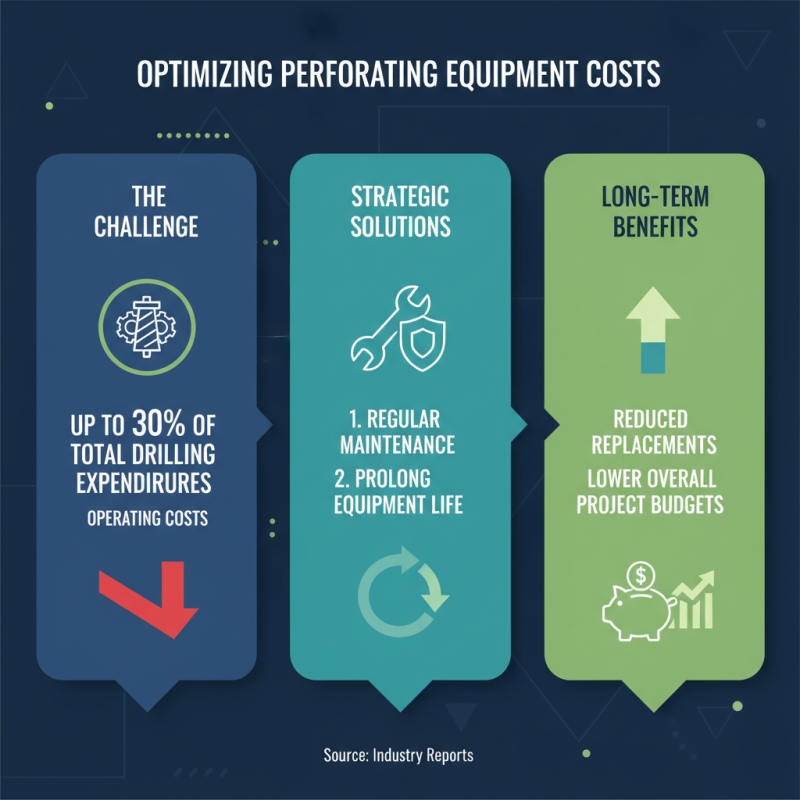
Operating costs for perforating equipment can significantly impact overall project budgets. According to industry reports, these costs can account for up to 30% of total drilling expenditures. Addressing this issue requires strategic thinking and practical solutions. Implementing regular maintenance can prolong equipment life. This can lead to fewer replacements, reducing costs in the long run.
Tips: Consider scheduling maintenance every 500 hours of operation. This can prevent unexpected breakdowns. Always keep detailed logs of equipment usage. This data provides valuable insights for future budgeting.
Investing in advanced perforating technologies can also optimize costs. Many companies report up to a 20% reduction in operational costs after adopting new technologies. Analyze your current processes to identify areas of waste. Look for opportunities to improve efficiency, especially in "Casting for equipment" processes. Engaging with skilled personnel is crucial. They can share insights on reducing downtime and enhancing productivity. It’s essential to stay proactive and adjust strategies as market conditions evolve.
Innovations in perforating technology are revolutionizing the industry. With the cost of drilling increasing, companies seek ways to lower expenses. Recent studies show that optimizing perforating operations can reduce costs by up to 30%. The integration of advanced materials and designs significantly enhances efficiency.
Today, the use of smart technology in perforating is advancing rapidly. Real-time data feedback allows operators to adjust techniques instantly. This capability can lead to improved performance and reduced waste. It’s crucial to ensure that staff are trained to utilize these technologies effectively. Ongoing education is vital.
Tips: Regularly assess your perforating methods. Identify bottlenecks in the process. Monitor costs closely to spot trends. Even small improvements can lead to significant savings over time. Embrace innovation but don’t forget the basics. Balancing new technologies with proven techniques is essential.
This chart illustrates the costs associated with various types of perforating equipment in the year 2026. The data highlights the cost efficiency of different perforating methods, providing insights for companies aiming to optimize their operational expenses.
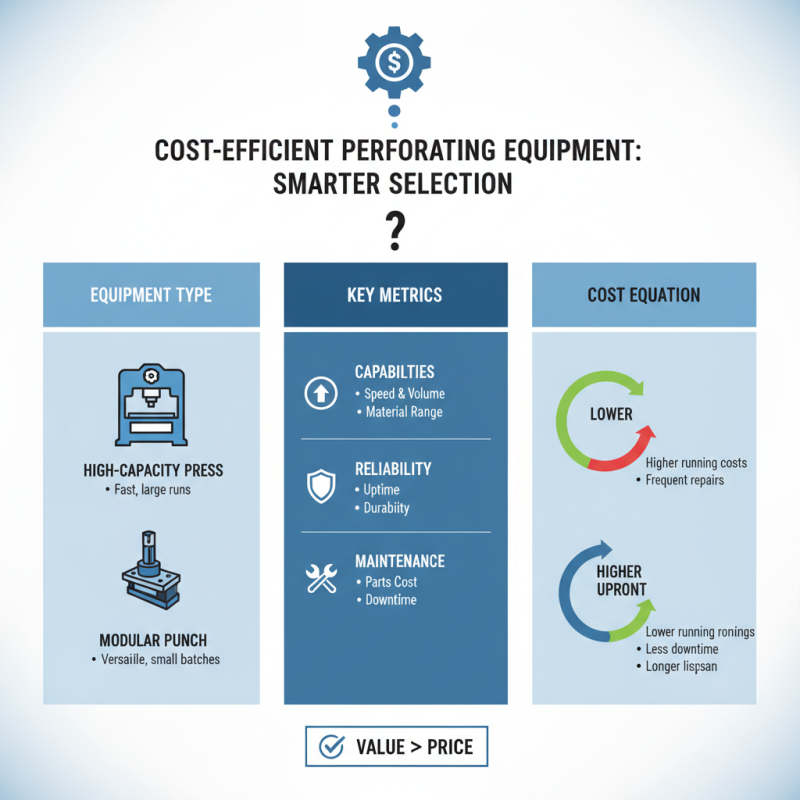
Selecting cost-efficient perforating equipment requires careful consideration. The right decisions can significantly impact project budgets. Evaluate the performance of different *heavy equipment* options. Focus on their capabilities, reliability, and maintenance costs. Cheap doesn't always equate to better. Sometimes, higher upfront costs save money in the long run.
Consider the specific needs of your project. Not every *heavy equipment* outfitted for perforating will suit your requirements. Analyze the material types and thicknesses you will be working with. Understand the technology behind each option. Innovative designs might offer better efficiency. However, they may also introduce complexity and unexpected expenses.
Consult industry experts who can provide insights. Peer reviews can highlight equipment performance in real-world conditions. Don't overlook the potential hidden costs of operation and repairs. Think about training staff to optimize equipment usage. Ultimately, a methodical approach will lead to more informed purchasing decisions.
As the industry evolves, perforating equipment is undergoing significant changes. Cost management is crucial for organizations aiming to maintain profitability while adapting to new technologies. A recent industry report highlights that about 75% of companies face rising costs associated with perforating services. This trend raises concerns about budget allocation and operational efficiency.
renewable energy equipment is gaining traction, influencing cost dynamics in perforation. Companies investing in advanced, energy-efficient technologies can see savings in the long run. In fact, a survey indicated that 65% of operators are considering upgrades to their equipment to leverage these benefits. However, transitioning to renewable solutions requires careful planning and investment, leading some organizations to experience short-term financial strain.
Despite the potential for reduced costs, many firms struggle with implementation. Training staff on new systems often disrupts operations. Additionally, initial investments can be daunting. As organizations weigh these factors, they must prioritize developing a comprehensive strategy to harness the benefits of modern perforating equipment. The journey towards cost optimization is complex, yet it presents opportunities for transformation.
| Equipment Type | Operating Cost (per hour) | Maintenance Cost (annual) | Efficiency Rating (1-10) | Average Lifespan (years) |
|---|---|---|---|---|
| Hydraulic Perforator | $150 | $3,000 | 8 | 10 |
| Electric Perforator | $120 | $2,500 | 9 | 12 |
| Mechanical Perforator | $100 | $1,800 | 7 | 8 |
| Laser Perforator | $200 | $4,500 | 10 | 15 |
| Turbo Perforator | $160 | $3,200 | 8 | 11 |
: Mindfulness can reduce stress and enhance focus. It promotes emotional stability and improves overall well-being.
Begin with short meditation sessions. Focus on your breath and observe your thoughts without judgment.
Yes, mindfulness techniques can reduce anxiety. They encourage living in the present moment and ease worries.
While it benefits many, not everyone may resonate with mindfulness. Some may find it challenging initially.
Results vary for each person. Some feel improvement within a week; others may take months.
Common challenges include a wandering mind and impatience. These feelings are normal and can be worked through.
No special equipment is necessary. A quiet space and a comfortable position are all you need.
Consistency is key. Aim for daily practice, even if just for a few minutes.
It's normal for thoughts to wander. Acknowledge them, and gently bring your focus back.
Yes, mindfulness can enhance sleep. It calms the mind and may reduce racing thoughts before bedtime.
The article "2026 Best Perforating Equipment Charges to Optimize Costs" provides a comprehensive overview of the crucial role of perforating equipment in the oil and gas industry. It delves into the various cost factors associated with perforating equipment charges, offering insights into current pricing trends and comparative analyses for 2026. Strategies are presented for reducing operating costs while highlighting innovations in perforating technology that can facilitate cost optimization.
Additionally, the article emphasizes best practices for selecting cost-efficient perforating equipment to enhance overall operational efficiency. It also explores future trends in perforating equipment and effective cost management techniques, ensuring that industry professionals are well-informed to make strategic decisions aimed at minimizing expenditures while maximizing performance.